Heating, ventilation, and air conditioning systems play a critical role in the functionality, comfort, and efficiency of commercial buildings. Unlike residential setups, commercial HVAC systems are designed to support larger spaces, higher occupancy levels, and more complex operational demands. Offices, retail centers, warehouses, healthcare facilities, and educational institutions all rely on properly designed HVAC systems to maintain indoor air quality, regulate temperature, and support daily business operations. A well-planned HVAC solution is not just a comfort feature—it is a core infrastructure investment that affects productivity, energy consumption, and long-term operating costs. Discover further details at https://www.taphvac.com/.
Commercial HVAC systems are designed to accommodate diverse environmental conditions within a single building. Different zones may require varying temperatures, airflow levels, or humidity controls depending on how the space is used. For example, conference rooms, open offices, storage areas, and equipment rooms all generate and retain heat in different ways. An effective HVAC system accounts for these variables while ensuring consistent performance and reliability. This adaptability makes commercial HVAC design far more intricate than residential installations and highlights the importance of system planning and integration.
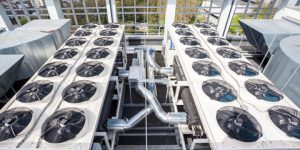
At the heart of any commercial HVAC system is its ability to provide thermal comfort while supporting healthy indoor air quality. Poor ventilation can lead to stale air, increased airborne contaminants, and uncomfortable humidity levels. Over time, these issues may contribute to employee discomfort, reduced productivity, and even health concerns. Modern HVAC systems are designed to circulate fresh air efficiently, filter pollutants, and maintain balanced humidity levels, creating a healthier indoor environment for occupants and visitors alike.
There are several common types of HVAC systems used in commercial buildings, each suited to specific structural and operational needs. The choice often depends on building size, layout, energy goals, and usage patterns. Some systems are centralized, serving the entire building from one primary unit, while others are decentralized and provide localized control. Understanding these system types helps building owners and managers make informed decisions that align with both short-term functionality and long-term efficiency.
One widely used option in commercial settings is the split HVAC system. These systems separate the heating and cooling components into indoor and outdoor units, making them suitable for buildings that require straightforward climate control without extensive ductwork modifications. Split systems are often favored for smaller commercial spaces or buildings with limited mechanical room capacity. Their flexibility allows for phased installations and easier upgrades as building needs evolve.
Another popular solution is the packaged HVAC system, where all major components are housed in a single unit. These systems are commonly installed on rooftops or designated outdoor areas, freeing up valuable indoor space. Packaged systems are particularly effective for medium-sized commercial buildings and retail environments, offering reliable performance with simplified maintenance access. Their compact design also makes them easier to integrate into existing structures without major renovations.
For larger commercial facilities, variable air volume (VAV) systems are often the preferred choice. These systems regulate airflow to different zones based on real-time demand, adjusting temperature without constantly changing air output. By varying the volume of air delivered to each space, VAV systems enhance comfort while significantly improving energy efficiency. This zoned approach is especially beneficial in buildings with fluctuating occupancy levels throughout the day.
Energy efficiency has become a major priority in commercial HVAC system design. Rising energy costs and sustainability goals have pushed businesses to seek solutions that reduce consumption without compromising comfort. High-efficiency HVAC systems use advanced components such as variable-speed motors, smart thermostats, and energy recovery ventilation to optimize performance. These technologies allow systems to adapt dynamically to changing conditions, minimizing wasted energy during low-demand periods.
A well-designed commercial HVAC system offers several measurable benefits, including:
- Reduced energy consumption through efficient airflow management and modern control systems.
- Improved indoor air quality by filtering pollutants and maintaining proper ventilation rates.
These advantages translate directly into cost savings and enhanced occupant satisfaction, making energy-efficient HVAC systems a strategic investment rather than an optional upgrade.
Proper system sizing is another critical factor in commercial HVAC performance. An undersized system may struggle to maintain consistent temperatures, leading to excessive wear and higher energy usage. Conversely, an oversized system can cycle on and off too frequently, reducing efficiency and shortening equipment lifespan. Accurate load calculations, which consider building size, insulation, occupancy, and equipment heat output, are essential to achieving balanced and reliable performance.
Installation quality plays a significant role in the long-term success of any HVAC system. Even the most advanced equipment can underperform if installed incorrectly. Ductwork design, refrigerant charging, airflow calibration, and control system configuration all require precision and expertise. Professional installation ensures that the system operates as intended, delivering optimal comfort and efficiency from day one.
Maintenance is equally important for commercial HVAC systems, as these systems often operate continuously under demanding conditions. Regular inspections and servicing help identify minor issues before they escalate into costly repairs or system failures. Routine maintenance typically includes filter replacement, coil cleaning, airflow testing, and control system checks. Consistent upkeep not only extends equipment lifespan but also maintains energy efficiency and indoor air quality.
Commercial HVAC systems must also comply with safety and performance standards designed to protect occupants and property. These standards address factors such as ventilation rates, refrigerant handling, and system efficiency. Compliance ensures that HVAC systems operate safely while meeting environmental and operational requirements. Staying aligned with these standards can also help building owners avoid penalties and improve overall system reliability.
Modern commercial buildings increasingly rely on smart HVAC technologies to enhance control and monitoring capabilities. Building automation systems allow facility managers to oversee HVAC performance from a centralized platform, adjusting settings remotely and tracking energy usage in real time. These systems provide valuable insights into operational trends, enabling data-driven decisions that improve efficiency and reduce downtime.
Indoor air quality has gained heightened attention in recent years, especially in high-occupancy commercial spaces. Advanced filtration systems, increased ventilation rates, and humidity control features are now integral components of modern HVAC designs. By reducing airborne contaminants and maintaining comfortable humidity levels, these systems create healthier environments that support employee well-being and customer confidence.
Another important consideration in commercial HVAC planning is scalability. As businesses grow or change operations, HVAC systems should be capable of adapting to new demands. Modular designs and flexible zoning options allow systems to expand or reconfigure without requiring a complete overhaul. This adaptability protects the initial investment and ensures long-term usability.
Noise control is often overlooked but plays a significant role in occupant comfort. Commercial HVAC systems must operate quietly, especially in offices, healthcare facilities, and educational environments. Proper equipment selection, duct insulation, and vibration control measures help minimize noise levels while maintaining efficient airflow.
Sustainability is also shaping the future of commercial HVAC systems. Energy-efficient designs, environmentally friendly refrigerants, and integration with renewable energy sources are becoming increasingly common. These advancements not only reduce environmental impact but also align with corporate sustainability goals and public expectations.
When planning or upgrading a commercial HVAC system, it is essential to consider the total cost of ownership rather than just initial installation expenses. Energy consumption, maintenance requirements, and system lifespan all contribute to long-term costs. A higher upfront investment in efficient, high-quality equipment often results in lower operating expenses and fewer disruptions over time.
In conclusion, HVAC systems for commercial buildings are complex yet essential components that directly impact comfort, efficiency, and operational success. From system selection and installation to maintenance and technological integration, every decision influences performance and longevity. By prioritizing energy efficiency, proper sizing, and professional care, commercial property owners and managers can create indoor environments that support productivity, sustainability, and long-term value. A thoughtfully designed HVAC system is more than a mechanical necessity—it is a foundation for a healthier, more efficient commercial space.